
How Fixed Orthodontic Appliances Prevent Bigger Bite Problems Later
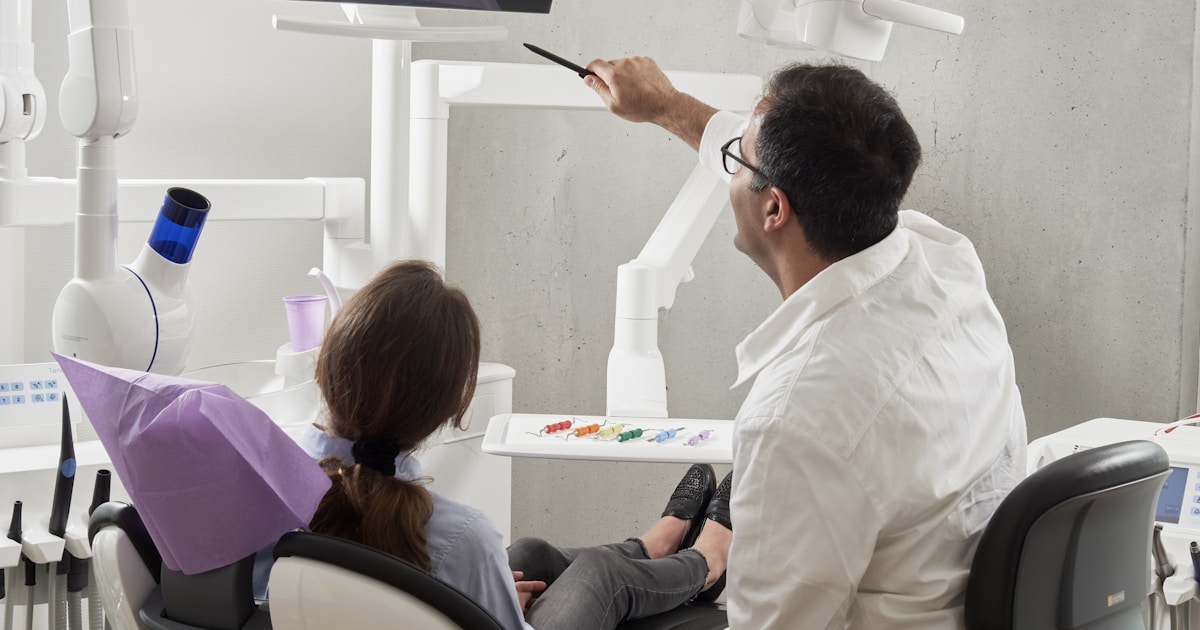
Did you know that fixed orthodontic appliances play a critical role in preventing bite problems from becoming more severe over time? By guiding jaw growth and controlling how teeth develop during growth stages, these appliances help correct imbalances before they fully form. Early intervention allows orthodontists to manage spacing, alignment, and bite function in a controlled and predictable way. This significantly reduces the likelihood of complex corrections, prolonged treatment, or surgical intervention later in life. Rather than reacting to problems after they worsen, fixed appliances support long-term oral health by addressing the root causes early.
Addressing Bite Issues Before They Worsen
A misaligned bite is more than a cosmetic concern. It affects how the teeth and jaw function over time and can lead to long-term oral health issues if left untreated. Early detection and correction of bite problems allow orthodontists to guide tooth and jaw development during active growth. Fixed orthodontic appliances are designed to address these concerns in a precise and controlled way, offering benefits that extend well beyond the immediate appearance of teeth.
The Role of Appliances in Jaw Development
During childhood and adolescence, the jaw is still growing. This presents an ideal window for guiding development and correcting imbalances before they become more difficult to treat. Fixed orthodontic appliances apply gentle, continuous pressure to the teeth and jaws, encouraging them to grow in optimal positions. By influencing bone development early, appliances can prevent problems such as overbite, underbite, crossbite, and overcrowding from becoming so severe that they require surgical intervention in adulthood.
This proactive approach simplifies future treatment and supports long-term oral health. A properly aligned bite promotes better chewing, reduces strain on jaw joints, and can even improve speech development in some cases. By addressing these issues early, patients are less likely to experience discomfort or dental complications as they age.
Reducing the Need for Complex Treatment
One of the most compelling reasons to invest in a fixed orthodontic appliance is its role in reducing the complexity of future treatment. Severe bite misalignments often require combinations of braces, aligners, and sometimes surgery. By intervening early with targeted appliances, orthodontists can manage growth patterns, limit the severity of misalignments, and, in many cases, prevent the need for extensive treatment later.
For example, a child with crowded teeth may benefit from an appliance that creates space in the jaw before permanent teeth fully emerge. This minimizes the chance of extractions and helps teeth settle into their natural positions. Similarly, appliances that expand the upper jaw can prevent crossbites that would otherwise compromise both function and aesthetics. The goal is not only to straighten teeth but also to support healthy dental development for life.
Using Fixed Devices to Guide Growth and Alignment
Fixed orthodontic appliances are versatile tools that do more than traditional braces. Expanders, space maintainers, and other fixed devices work in concert to shape the jaw and bite. When used strategically, they provide a controlled environment for teeth to move naturally into healthier positions.
Expanders, for instance, gently widen the upper jaw to improve bite alignment and create enough room for permanent teeth. This is especially important in cases where narrow jaw structures would otherwise lead to crowding or crossbite. Fixed devices also stabilize teeth and prevent relapse after initial movement, maintaining progress over time and supporting long-term outcomes.
How to Prevent Jaw and Bite Issues Early
What are malocclusions? Malocclusions are problems with the way the teeth and jaws fit together when the mouth is closed. In simpler terms, it’s when the bite is misaligned, which can include issues like overbite, underbite, crossbite, or crowded teeth. Malocclusions can affect chewing, speaking, jaw function, and even oral health if left untreated.
Malocclusions affect more than your smile. They can interfere with chewing, speaking, and even breathing. Overbites can strain jaw muscles and joints, underbites can make chewing inefficient, and severe crowding can create hygiene challenges that increase the risk of decay. By addressing these problems early with a fixed orthodontic appliance, orthodontists help patients avoid functional issues that may require more invasive solutions later.
A well-aligned bite ensures that teeth meet correctly during chewing, reducing wear and protecting enamel. It also promotes proper jaw function, minimizing discomfort and the risk of temporomandibular joint disorders. These preventive measures may not be visible, but they have a major impact on overall health and quality of life.
Benefits That Last a Lifetime
Fixed appliances do more than straighten teeth. By guiding bite and jaw development during key growth stages, they help ensure long-term oral stability. Proper alignment reduces stress on teeth and gums, lowers the risk of cavities, and supports healthier gums.
Moreover, early correction often shortens treatment time in adolescence and adulthood. Patients who receive timely appliance-based interventions may require less extensive orthodontic work later, saving both time and discomfort. This preventive approach not only protects smiles but also enhances confidence, comfort, and self-esteem over the long term.
Guiding Growth with Orthodontics
Every child’s dental journey is unique, and orthodontic appliances are tailored to meet individual needs. Orthodontists consider factors such as jaw size, tooth eruption patterns, and bite alignment when designing treatment plans. Fixed devices are particularly effective because they allow for precise control over tooth movement and jaw growth.
By strategically guiding development, appliances can prevent structural issues that might compromise both function and appearance. This is especially relevant in cases where genetics, habits, or early tooth loss could predispose a child to malocclusion. Early appliance intervention manages these risks and lays the foundation for healthy oral development for life.
Advantages of Early Orthodontic Care
Starting orthodontic appliance therapy early makes future corrections easier and less invasive. Without intervention, bite problems tend to worsen over time, often leading to more invasive procedures, longer treatment durations, and greater cost. By addressing alignment and bite issues proactively, orthodontists reduce the likelihood of such complications.
Fixed appliances work continuously and efficiently, even when patients are not actively monitoring their progress. This consistent, gentle guidance helps achieve results without the stress of waiting for problems to manifest fully. The long-term payoff is a simplified treatment journey, less time spent in corrective care, and a healthier, more functional smile that lasts.
The Importance of Expert Care
It is important to note that the success of fixed orthodontic appliances depends on careful planning and monitoring by a qualified orthodontist. Regular checkups ensure that the appliance is functioning correctly, adjustments are made as needed, and progress is on track. This professional oversight is what allows appliances to fulfill their preventive potential and avoid complications later.
Families benefit when treatment is proactive instead of reactive. Orthodontists not only correct visible misalignment but also anticipate future bite and jaw issues. Appliances are used to address problems before they become more serious. This foresight is what transforms orthodontic care from a cosmetic procedure into a strategic health investment.
Key Takeaways
Fixed orthodontic appliances are more than tools for straightening teeth. They are preventive systems that guide jaw growth, shape bite development, and reduce the need for complex treatments in the future. By intervening early, these devices help children avoid functional problems, protect long-term oral health, and create a foundation for confident, lasting smiles.
Investing in early appliance-based care is a decision that pays dividends over a lifetime. Patients enjoy not only aesthetic improvements but also reduced treatment complexity, better oral function, and lasting stability. Understanding the preventive power of a fixed orthodontic appliance is the first step toward making informed choices that benefit dental health for years to come.
For families looking to support healthy bite development and prevent larger orthodontic challenges, The Wireworks offers expert guidance and fixed orthodontic appliances as part of a proactive approach to lifelong dental health.
Ready to get started? Book your free consultation at The Wireworks. We have offices in Barrie and North York (Toronto). No referral needed.