
Written by Eggert Boehlau —
Why Orthodontic Dental Retainers Fail More Often Than Patients Expect
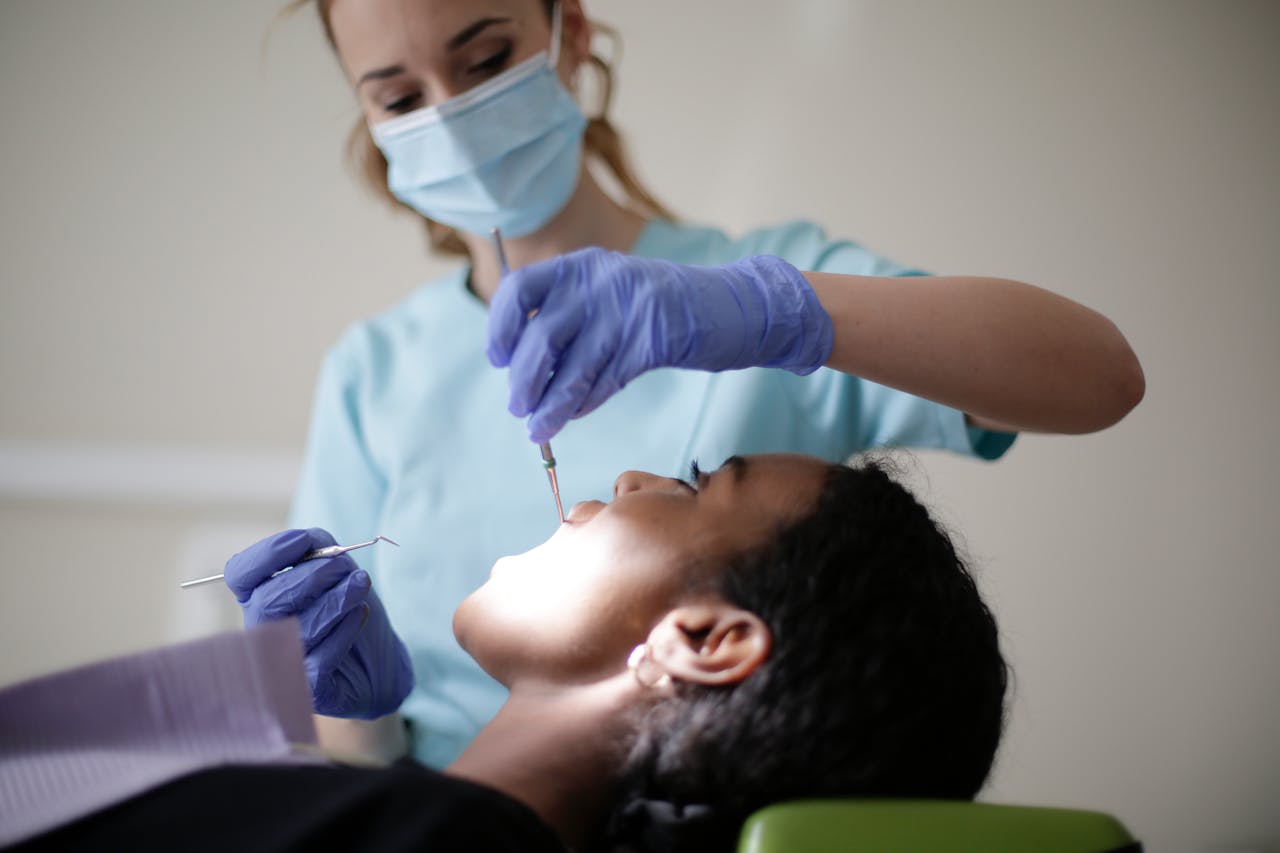
For many patients, the journey to a perfect smile feels like it ends the day braces come off or aligners are finished. It’s easy to think that months and years of treatment guarantee a lifetime of straight teeth. Unfortunately, the reality is more complicated. Even after a seemingly “successful” orthodontic outcome, teeth can shift. A once-perfect bite shifts. The culprit? Often, it’s the humble orthodontic dental retainer that we overlook, underestimate, and sometimes neglect.
Understanding why retainers fail and why relapse occurs is essential for anyone invested in long-term dental health. Retainers are not mere accessories; they are a critical phase of orthodontic care, designed to preserve the investment in your smile. Without a well-chosen retainer and an ongoing retention strategy, even the most meticulously aligned teeth can drift back toward their original positions.
The Illusion of Completion
It’s natural to feel that orthodontic treatment is “done” once braces are removed. Because the result of wires and adjustments is visually striking, many patients assume treatment has been completed. Orthodontic clinics often present retainers as a simple, one-time formality. The orthodontic retention appliance looks like a small piece of plastic or wire that automatically maintains results.
This psychological thinking can be misleading. Orthodontic treatment does not end at the moment brackets are removed. It enters a maintenance phase that is equally important as active treatment. Even after treatment, teeth have a natural tendency to shift, which makes retention very important in maintaining alignment.
The Critical Role of Patient Commitment
One of the primary reasons retainers fail is patient compliance. As treatment feels complete, retention is subconsciously reframed as optional rather than essential. Even minor lapses can have long-term consequences. Many patients wear their retainers diligently at first, but gradually reduce usage as time passes. Skipping a few nights may appear harmless, but over time, these small gaps can cause noticeable shifts in tooth alignment.
In clinics where retainers are considered an afterthought, follow-up protocols are often limited, leaving patients at greater risk of unnoticed tooth movement. Without reminders or monitoring, compliance can drop silently, and the risk of relapse increases.
Why Retainers Don’t Last Forever
Even with perfect compliance, retainers can wear out over time. Most appliances, whether clear plastic or wire-based, experience material degradation after long-term wear. Plastic retainers can warp, may crack, or become deformed from repeated insertion and removal. Wire retainers, especially fixed lingual types, can loosen, bend, or break under the normal forces of chewing.
Material wear and tear affects the fit and effectiveness of a retainer. A warped retainer may no longer keep your teeth in their ideal positions. Many patients only notice these issues when relapse is already underway. Regular inspection, adjustment, or replacement of retainers is crucial in maintaining their protective function.
Common Reasons Orthodontic Retainers Fail and What Patients Should Do


      Cause of Failure
      What Happens
      Early Warning Sign
      What to Do


      Irregular wear
      Teeth slowly shift out of alignment
      Retainer feels tight or uncomfortable
      Resume daily wear and contact your orthodontist


      Natural aging and tooth movement
      Gradual bite changes over time
      Small spacing or crowding returning
      Schedule a retainer check or replacement


      Warping from heat or damage
      Retainer no longer fits correctly
      Visible bending, cracks, or looseness
      Replace the retainer immediately


      Poor cleaning habits
      Bacteria buildup weakens material
      Odor, discoloration, or rough texture
      Deep clean or request a new retainer


      Lost or broken retainer
      No support keeping teeth aligned
      Teeth begin shifting within weeks
      Get a replacement as soon as possible
Subtle Orthodontic Changes in Adulthood
Teeth are not static, even in adulthood. While orthodontic treatment is most commonly associated with adolescence, adult patients can also experience changes in tooth position over time. Jawbone density shifts, periodontal support can be remodeled, and even subtle muscular pressures from the tongue, lips, and cheeks influence alignment.
A retainer plays a crucial role in maintaining your teeth's new alignment. However, as adults age, natural growth and remodeling may introduce new forces that the original retainer cannot fully counteract. Ongoing evaluation is essential to ensure teeth remain properly aligned. In some cases, monitoring may be necessary decades after active treatment has ended.
Why a One-Size-Fits-All Approach May Not Work for Everyone
Another reason retainers fail is the assumption that all teeth and patients respond the same way. One-size-fits-all approaches, where every patient receives the same type of retainer, often overlook individual needs. Some teeth are more prone to relapse, such as lower front incisors, due to crowding or bite pressure. Patients with habits like grinding, clenching, or tongue thrusting face additional challenges.
Customized retention strategies, including hybrid or dual-retainer systems, are often more effective. Some patients benefit from a combination of fixed and removable appliances, while others require periodic adjustments to maintain alignment. Ignoring these nuances can lead to premature retainer failure.
Viewing Retainers as Part of Your Long-Term Smile Plan
It’s helpful to reframe the role of retainers. They are not a single-use tool but part of a long-term orthodontic retention strategy. Just as braces, aligners, and clinical adjustments create the initial alignment, retainers maintain it over time. They serve as a bridge between active treatment and lifelong stability, counteracting natural tendencies, biological changes, and patient habits.
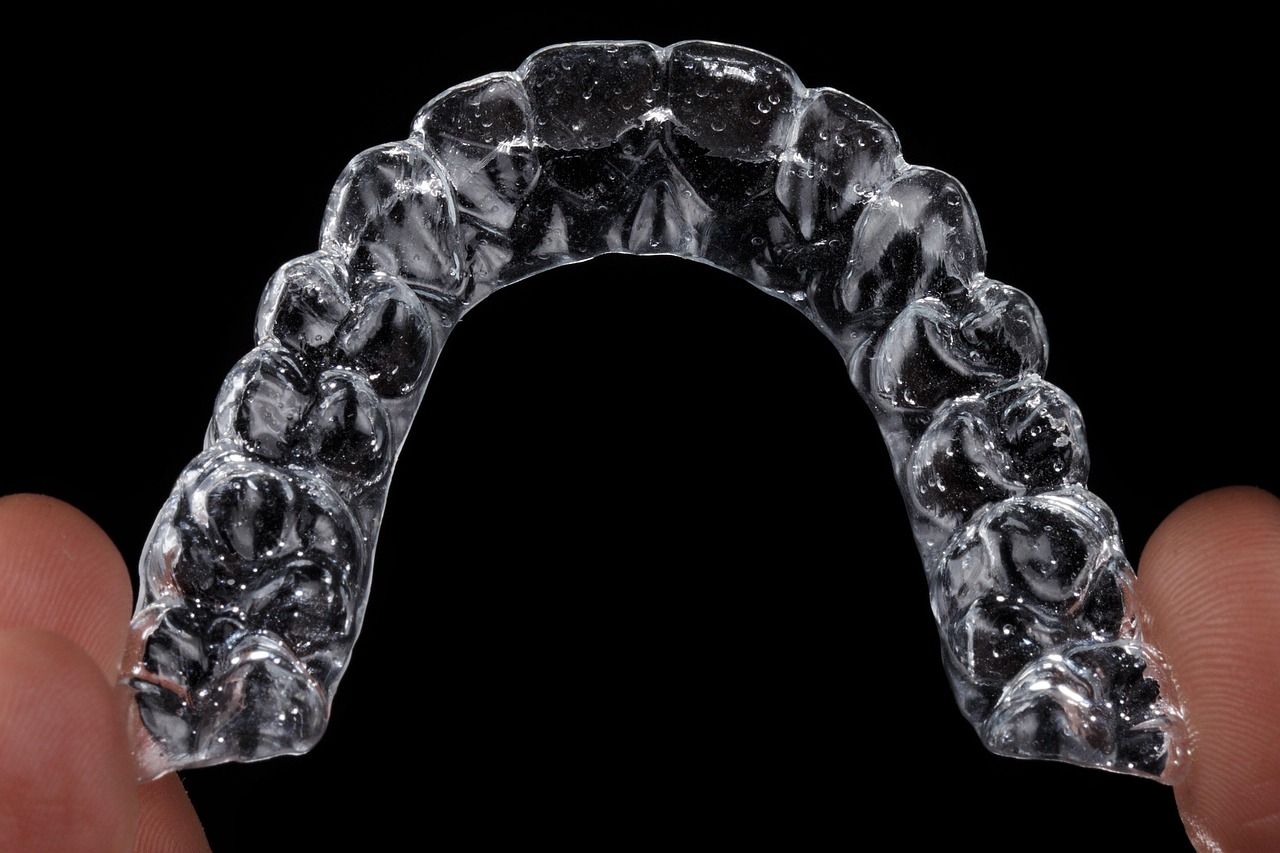
A system-oriented approach prioritizes consistent wear, durable materials, personalized retainers, and regular follow-ups. Clinics that embrace this mindset view retention as an active, ongoing process rather than a one-time step. By doing so, they minimize the risk of relapse and help patients maintain the results of their orthodontic treatment. This approach ensures that the investment in a straight smile is fully protected over time.
Consequences of Inconsistent Retainer Use
Many patients don’t realize how serious the consequences can be until their once-perfect smile begins to shift again. When teeth shift, corrective treatment may be needed, ranging from minor adjustments to, in severe cases, comprehensive orthodontic intervention. This can result in not only additional financial costs but also emotional consequences, including disappointment and frustration.
Educating patients about these risks before treatment ends and reinforcing the importance of their orthodontic dental retainer prepares them for responsible long-term care. Awareness is a form of prevention. Knowing that teeth can shift even after successful treatment encourages ongoing compliance and periodic check-ins.
Which Retainer Is Right for You?
Not all retainers are created equal, and the choice should depend on patient needs, lifestyle, and dental anatomy. Clear thermoplastic retainers are discreet and convenient, but they require careful handling and regular replacement. Fixed wire retainers, on the other hand, offer continuous stabilization but need diligent oral hygiene and periodic professional inspection.
A properly chosen retainer aligns with the patient’s habits and anatomy, improving both comfort and long-term effectiveness. Discussing options with an orthodontist ensures that retention is tailored rather than generic, reducing the likelihood of unexpected relapse.
Why Follow-Up Care Is Essential
Even the best retainer will fail without a structured follow-up protocol. Regular check-ups allow the orthodontist to detect early signs of material fatigue, adjust fit, and monitor subtle tooth movement. Clinics that integrate retention monitoring into their care programs help patients maintain alignment over years, not just months.
When patients understand that retention is an ongoing process, they are more likely to wear retainers consistently and report issues promptly. A simple warp in a retainer or a loose wire, if addressed early, can prevent minor shifts from becoming significant relapses.
Patient’s Role in Long-Term Success
Ultimately, retention success is a partnership between patient and orthodontist. Patients provide consistent wear, proper care, and timely reporting of issues. Orthodontists provide professional guidance, material expertise, and proactive monitoring. Both sides must commit to the understanding that orthodontic care extends far beyond the active treatment phase.
Embracing this mindset reframes retainers from a mundane afterthought to a strategic tool. Patients who understand this principle are more likely to preserve their results, experience fewer surprises, and enjoy a lifetime of confident smiles.
Retainers Are Worth the Investment
In the pursuit of a perfect smile, braces or aligners are only half the journey. The true investment includes the orthodontic dental retainer and a long-term commitment to retention. Understanding why relapse occurs, compliance drop-off, material fatigue, natural growth, and individualized anatomical factors helps patients and clinicians work together to prevent it.
Retainers are not a one-time solution. They are a system designed for long-term stability. Choosing the right type, maintaining consistent wear, and adhering to follow-up protocols are essential for protecting the results of orthodontic treatment. By reframing retainers as a critical, ongoing phase, patients can avoid disappointment and safeguard the time, effort, and resources invested in their smile.
If you want to keep your teeth perfectly aligned, it’s important to learn about professional retainer options. At The Wireworks, we provide customized orthodontic dental retainer solutions designed to preserve your smile.